History and Medieval Studies

Medieval East Central Europe in a Comparative Perspective

May 26, 2016

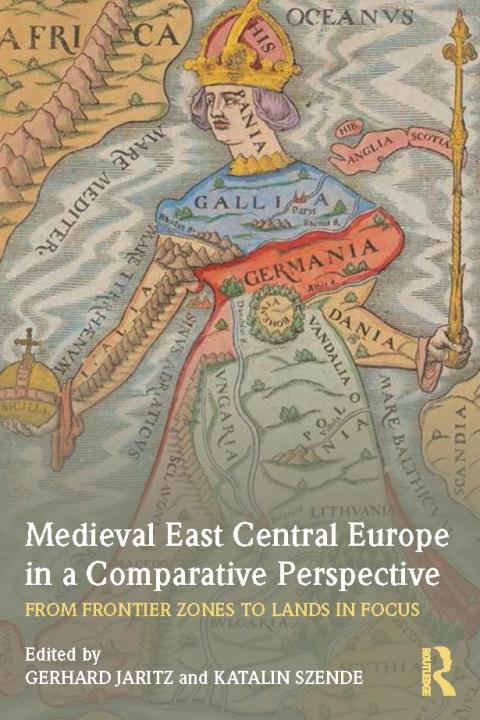
A book co-edited by IAS CEU Faculty Fellow Katalin Szende with Gerhard Jaritz, Medieval East Central Europe in a Comparative Perspective, has been published by Routledge.

Conversation with Géza Röhrig

April 21, 2016

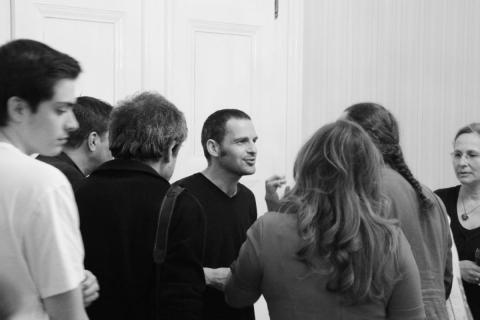
On Monday, April 18, Géza Röhrig, star of the 2015 Oscar-winning Son of Saul visited IAS to discuss his film in an informal get-together moderated by Louise O. Vasvári (Stony Brook University, New York University, IAS CEU). Röhrig, who has worked as a screenwriter, director, actor, punk rock musician, and shomer, presently teaches in New York City.

IAS Alumni Lecture // The Intellectual and Spiritual Journey of a Nineteenth-Century Convert: From Judaism to Christianity to Hebrew Christianity

Type: 
Lecture
Building: 
Nador u. 9, Monument Building
Room: 
Popper Room
Date: 
June 8, 2016 - 11:00am to 12:30pm

My talk is meant to be a kind of continuation and updating of a larger project I began at the IAS a year ago on the missionaries of the London Society for the Promotion of Christianity amongst the Jews, several key figures among the converts who converted, and the European-wide Jewish response to their arguments and assault on the Jewish community, what I call, the revival of the Jewish-Christian debate in the 19th century.

1956 - Meaning and Remembrance of the Revolution in Contemporary Hungary

Type: 
Seminar
Building: 
Nador u. 11
Room: 
Smart Room (004)
Date: 
April 21, 2016 - 12:00pm to 1:30pm

The revolution in 1956 is one of the most important and perhaps most disputed events of contemporary Hungarian history. After a brief summary of the revolution, the presentation will attempt to give an overview of the main problems of the historical remembrance of 1956, focusing on the central questions: What kind of collective memory exists about 1956 in Hungary today? How and why were the official and the private commemorations of 1956 divided during the Kádár period?

Food, Identity and Cross-Cultural Exchange in the Ancient World

February 25, 2016

A book co-edited by Humanities Initiative Fellow Robin Nadeau with Wim Broekaert and John Wilkins has been published in the Collection Latomus Series.

Book presentation: L’Orient à Vienne au dix-huitième siècle

Type: 
Book Launch
Building: 
Nador u. 9, Monument Building
Room: 
Popper Room
Date: 
March 3, 2016 - 5:30pm to 7:00pm

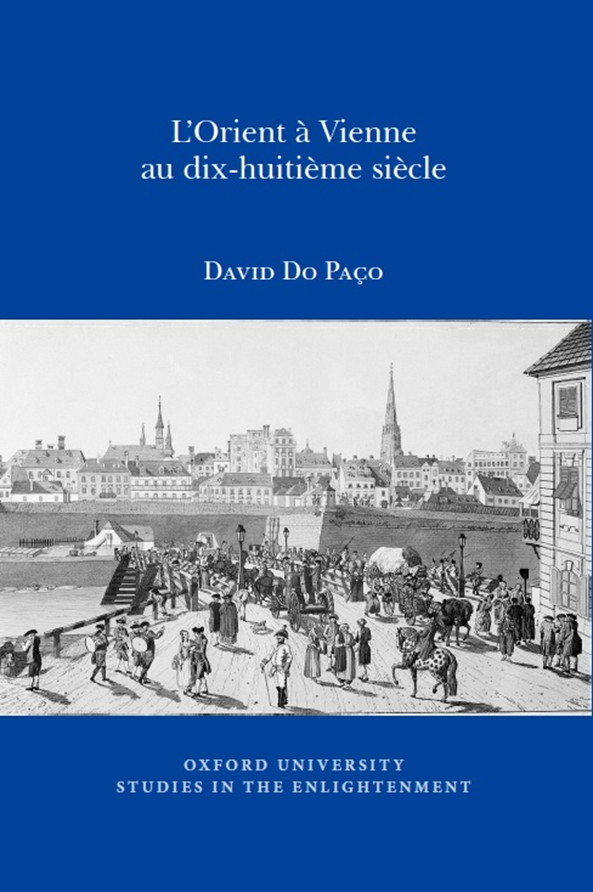
The Institute for Advanced Study at Central European University

cordially invites you to a the book presentation of

L’Orient à Vienne au dix-huitième siècle

by

David Do Paço

Sciences Po, Junior Fellow at IAS CEU

The book will be introduced by the author.

The Emperor who wanted to be King. HRE Charles VI in Spain and Austria, 1685-1740

Type: 
Seminar
Building: 
Nador u. 9, Monument Building
Room: 
Popper Room
Date: 
May 18, 2016 - 11:00am to 12:30pm

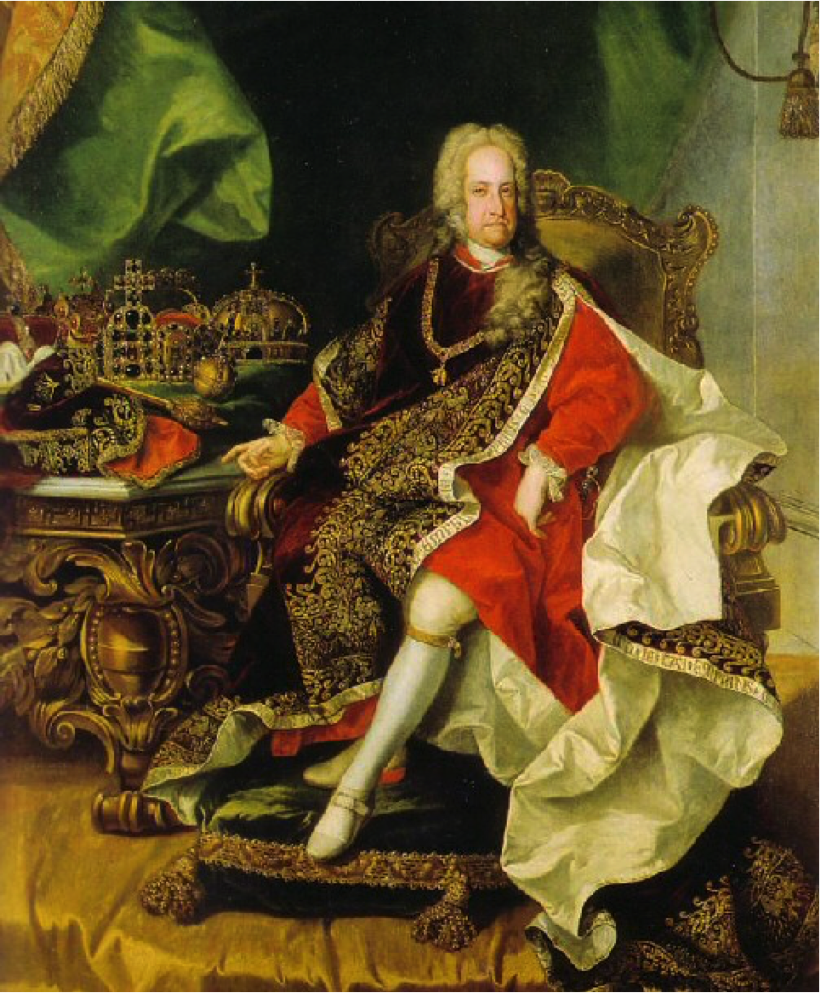
Charles of Austria (1685-1740) was the last Habsburg emperor of the Holy Roman Empire, ascending the throne at an acquisitive moment as the Holy League pushed back the Ottoman line. Charles spent a crucial number of years in Spain, which marked his form and style of rule after returning to Vienna and which continued to impact upon his rule long after 1711.

Trust and Mistrust as Political Concepts in the History of Political Thought

Type: 
Seminar
Building: 
Nador u. 9, Monument Building
Room: 
Popper Room
Date: 
April 27, 2016 - 11:00am to 12:30pm

The concept of trust will be scrutinized across different and sometimes antagonistic genres of international political thought. The natural law tradition and reason of state tradition worked on different assumptions, but they mutually influenced each other. How have these traditions influenced the different concepts and discussions of trust-building?

A Cross-Cultural Regional Integration: Austria and the Ottoman Empire in the Eighteenth Century

Type: 
Seminar
Building: 
Nador u. 9, Monument Building
Room: 
Popper Room
Date: 
February 24, 2016 - 11:00am to 12:30pm

Throughout the eighteenth century the Habsburg Monarchy and the Ottoman Empire developed a commercial relationship based on “free, safe and peaceful trade” which changed the urban landscape of Vienna, Trieste and Pest, and which influenced both the domestic and foreign policies of the two empires. Ottoman merchants, whatever their religious affiliations, were not only able to connect the different Habsburg-ruled territories in Central Europe despite their different legal configurations, but also to integrate them into the global Ottoman trade.

IAS CEU Fellows in Focus: Geoffrey Roberts

February 11, 2016

Pages

Subscribe to RSS - History and Medieval Studies