
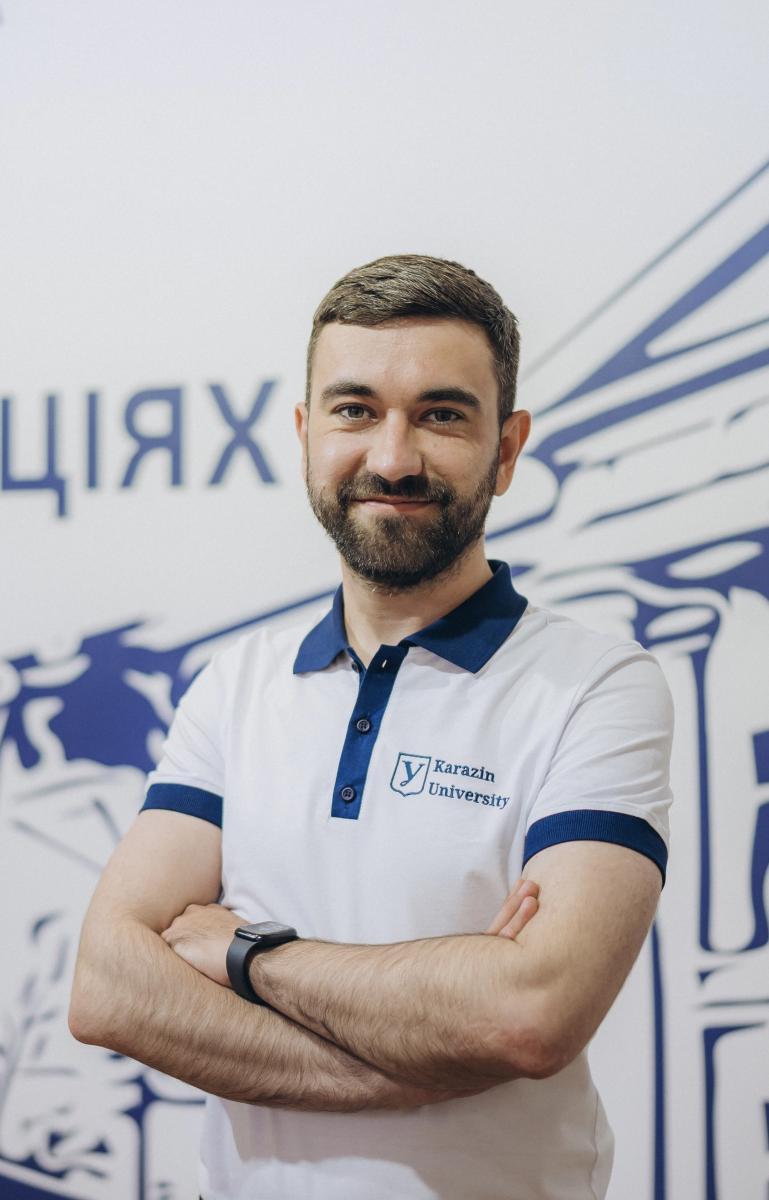
Ruslan Zaporozhchenko
This project examines the mechanisms of Ukraine’s democratic resilience under conditions of full-scale war, with particular attention to the risks of authoritarian drift arising from the concentration of executive power, the expanded authority of security agencies, restrictions on political competition, and the narrowing of public debate. The central research question is how a democratic state can preserve political pluralism, accountability, parliamentary oversight, and civic participation in the face of an existential security threat. The study draws on a political-sociological approach that examines wartime governance not only as an institutional process but also as a system of relations between the state, political elites, security institutions, civil society, local communities, and citizens. Particular attention is paid to how wartime governance affects the distribution of power, forms of political participation, opportunities for public criticism, the role of the opposition, the autonomy of local self-government, and the scope for civic engagement. The broader goal of the project is to demonstrate how Ukraine can maintain democratic legitimacy and alignment with European political standards during a protracted war, while simultaneously strengthening state resilience, public trust, and the long-term prospects for democratic development.